Minnesota is home to one of the largest Hmong communities in the nation, starting in the 1970’s as Hmong refugees settled here from Laos and Thailand. Today, Hmong American Farmers make up more than 50% of the farmers at our metropolitan farmers markets, aiding in the strong, local food system we know today. We’re honored to highlight the Hmong American Farmers Association (HAFA) this month as our Change Matters partner. We interviewed HAFA’s Co-Founder & Executive Director, Janssen Hang to learn more about HAFA’s history, current programs, and how our Wedge community can continue to support their work.
Hmong American Farmers Association
“It all started when a founding member stood up at a conference and said, ‘We need to stop waiting for others to save us, we can save ourselves.’ This act of self-determination led to the inception of the Hmong American Farmer’s Association and the programs we offer today.” – Janssen Hang, Co-Founder & Executive Director
hafa’s history
Starting in 2011, after experiencing barriers to land access, equipment, financing, training, research, storage facilities, and new market access, a group of Hmong American farming families formed the Hmong American Farmers Association (HAFA). They felt the best people to support Hmong farmers were Hmong farmers themselves, with the guiding principle that when one is lifted up, all are. They formed to help Hmong American farmers navigate an unfair food system, and provide the tools they wished existed.
“Since HAFA’s inception, we established a bilingual and bicultural farm training program that increases our farmer’s capacity and innovative farming approach. We also established a food hub that started the first Food in Medicine program with Fairview Health Services and currently serve over five thousand food-insecure individuals.” -JH
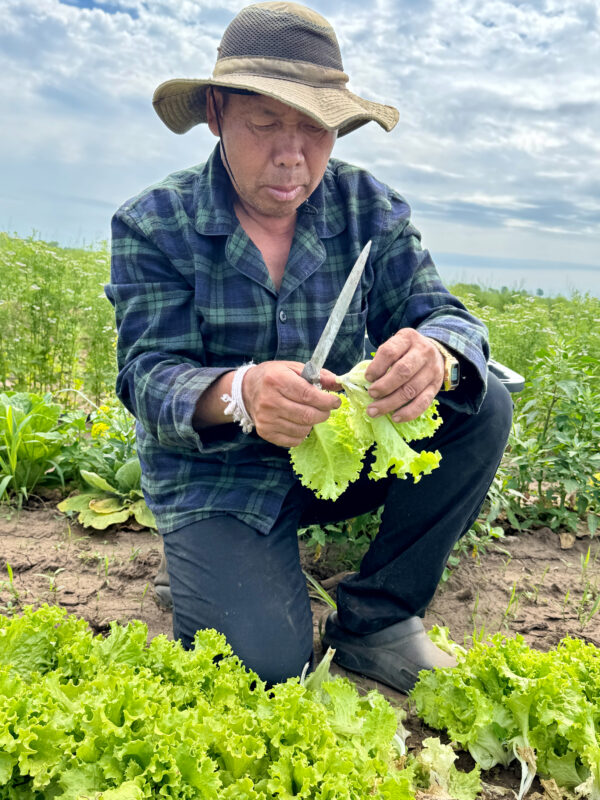
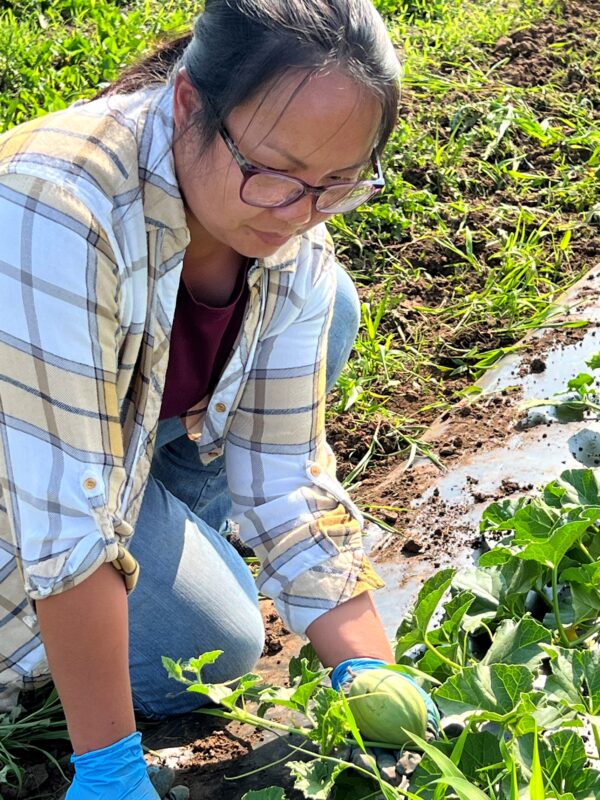
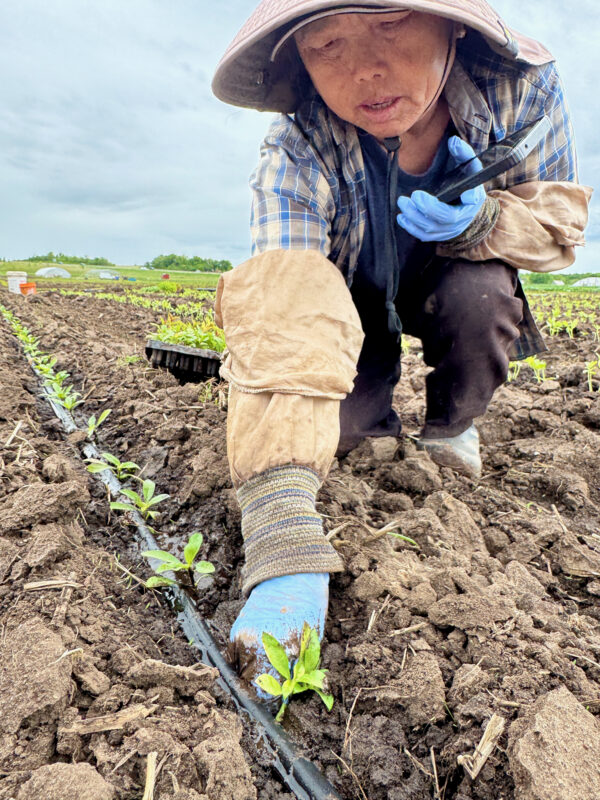
“Every year, HAFA conducts a longitudinal study with our members, asking farmers where they see their children in the family farming operation. Many responded that they don’t. Yet, since purchasing the HAFA Farm in 2022, the very same farmers who participated in the initial study in 2012 now state, ‘My children are taking over the farm because HAFA has secured land for Hmong farmers. The future looks brighter now than it was before, and we’re transitioning our farm plan to invest in more perennial crops for a higher return.’ ” – JH
HAFA’s APPROACH
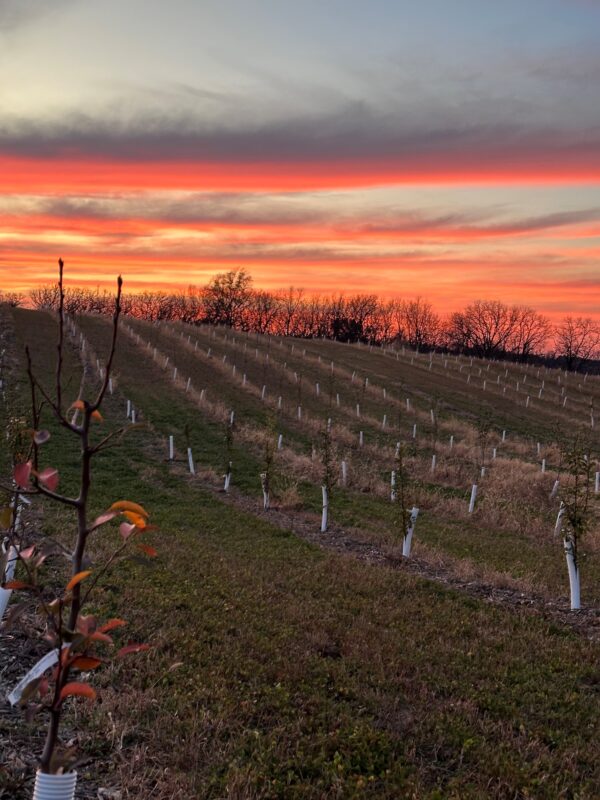
As part of an integrated approach to community wealth building, HAFA’s model addresses land access, new markets, trainings and capacity building, financing, and research and data collection. Key to this infrastructure is their 155-acre farm in Hastings, where member families can lease land, receive agricultural and entrepreneurial education, and sell their produce through HAFA’s Food Hub. The HAFA Food Hub sells members’ produce through their CSA (community-supported agriculture) to individuals, schools, retailers, and institutions.
“Currently, HAFA is building a wash/rinse, cold storage, and kitchen facility on the farm. The new facility will allow members to ensure best post-harvest practices, elongate shelf life, and ensure the highest quality produce.” -JH
hafa’s programs
-
land access
- The largest and most urgent barrier for Hmong farmers is long-term access to accessible farm land. Through HAFA’s 155-acre farm, members can invest in specialty produce that garners higher profit margins, and can access federal loans and crop insurance to protect them from climate change.
-
business development
- By providing financing options and access to capital, HAFA members can invest in equipment to make their operations more efficient and productive. Through a partnership with the Eastside Financial Center, HAFA members can undergo credit and financial assessments, attend financial management trainings, and meet with farm management instructors to write business plans and generate financial statements. Members may also save up to $2,000 in an IDA and have that amount matched 1:1 to purchase needed equipment. This multi-dimensional business development program is one-of-a-kind in the country, and a model for future community development.
-
alternative markets
- Farmers reliant on sales from farmers markets alone are vulnerable to any changes within that market. That’s why HAFA’s Alternative Markets Program (AMP) works to gather produce grown from its members to sell wholesale to hospitals, schools, food processors, distributors, and grocery stores, or directly to consumers through its CSA program.
-
research
- In an ever-changing agricultural landscape, HAFA’s mission is to ensure their members have knowledge of the latest farming techniques (from cover crops to high tunnels).
-
trainings
- Through a community partnership with the Latino Economic Development Center and a grant from the USDA, HAFA members have access to a bilingual training training program aimed at increasing the farming and business acumen of immigrant farmers. Since its inception, HAFA’s training program has hosted over 20 workshops and trained over 500 members on topics from soil health to food safety, to high tunnels and the latest farm machinery.
“Our members continues to incur higher costs that question the viability of their farming operations. Rising agricultural prices like fuel, seeds, fertilizer, and other daily expenses make farming less sustainable. [As a Hmong community] we are concerned about the safety of our farmer members, staff, and visitors with the ongoing presence of ICE.” -JH
how you can support hafa’s programs
- Sign up for HAFA’s CSA
- Follow them on Facebook and Instagram
- Volunteer your time in the packing shed or gardening
- Donate funds
- Round up your extra change at the register through the Wedge’s Change Matters program throughout May 2026