
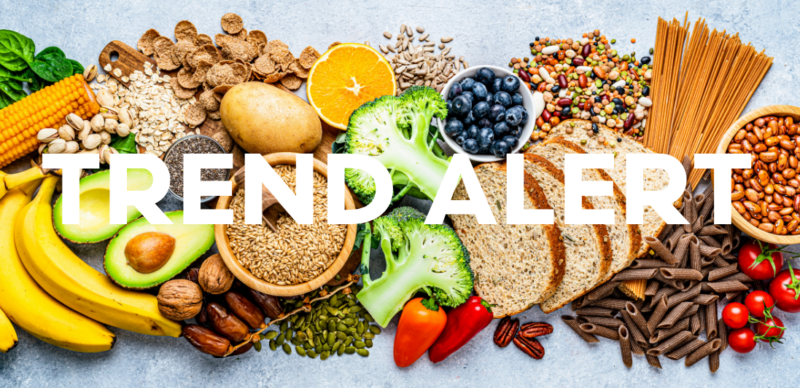
Fibermaxxing- The Wellness Trend Your Gut Will Thank You For
August 11, 2026
Move over protein —there’s a new nutrition trend taking over social media feeds, and this one has dietitians cheering. It’s called fibermaxxing, and unlike many wellness fads, this trend is rooted in something most of us genuinely need more of: fiber.
What Is Fibermaxxing?
Fibermaxxing is the practice of intentionally increasing the amount of fiber in your daily diet by choosing more fiber-rich foods at meals and snacks. The goal isn’t necessarily to eat extreme amounts of fiber—it’s to actually meet recommended intake levels that most Americans fall short of.
According to nutrition experts, most adults consume only about 15 grams of fiber per day, while recommendations are approximately:
- 25 grams per day for women
- 38 grams per day for men
Unfortunately, more than 90% of Americans do not meet those goals.
Why All the Fuss About Fiber?
For a nutrient that rarely gets the spotlight, fiber has an impressive resume.
Research continues to link adequate fiber intake with:
- Better digestive health
- More regular bowel movements
- Improved gut microbiome diversity
- Lower cholesterol levels
- Better blood sugar control
- Increased feelings of fullness after meals
- Reduced risk of heart disease, type 2 diabetes, and colorectal cancer
In other words, fiber supports many of the health outcomes people are chasing through supplements and expensive wellness products.
Not All Fiber Is the Same
There are two primary types of dietary fiber: soluble and insoluble. Most whole plant foods contain a combination of both.
Soluble Fiber
This type dissolves in water and forms a gel-like substance during digestion. It can help lower LDL cholesterol, support healthy blood sugar levels, and feed beneficial gut bacteria. Common sources include oats, beans, lentils, apples, chia seeds, and flaxseeds.
insoluble fiber
Think of this as your digestive tract’s housekeeping service. It helps move food through the digestive system and supports regularity. Good sources include whole grains, nuts and seeds, broccoli, cauliflower, green beans, and potato skins.
The Wedge Way to Fibermax
The good news is that fibermaxxing does not require exotic powders or complicated meal plans. In fact, many fiber-rich foods are already staples at the co-op.
Try these simple upgrades:
| Meal Moment | Instead of… | Try… |
| Breakfast | Plain cereal | Oatmeal topped with berries, walnuts, and ground flaxseed |
| Lunch | A basic green salad | Greens topped with chickpeas, quinoa, cucumbers, carrots, and sunflower seeds |
| Snacks | Chips | Apple slices with nut butter, roasted chickpeas, or fresh berries |
| Dinner | White rice as a side dish | Brown rice, farro, or a hearty bean salad |
These small swaps can add meaningful fiber throughout the day without much effort.
Don’t Go From 10 to 50 Overnight
More fiber is not always better—especially if you increase it too quickly. Jumping from a low-fiber diet to a very high-fiber diet can lead to bloating, gas, abdominal discomfort, and digestive upset. Nutrition experts recommend increasing fiber gradually and drinking plenty of water along the way. Fiber works best when it is paired with adequate hydration. Think progress, not perfection.
The Bottom Line
Unlike many health trends, fibermaxxing is not about expensive products or restrictive eating. It is encouraging something refreshingly simple: eating more fruits, vegetables, beans, whole grains, nuts, and seeds.
And that is a trend we can get behind. So, the next time you are building your shopping list, ask yourself a simple question. How can I add one more fiber-rich food to my cart today? Look for “High Fiber” signs throughout the store for foods rich in fiber.
High-Fiber Foods to Add to Your Cart
| Food | Approx. fiber amount |
| Raspberries | 8g per cup |
| Black beans | 15g per cup |
| Lentils | 15g per cup |
| Chia seeds | 10g per ounce |
| Rolled oats | 4g per cup cooked |
| Pears | 6g per fruit |
| Avocados | 10g per fruit |
| Edamame | 8g per cup |
| Broccoli | 5g per cup |
| Almonds | 4g per ounce |